Beingdone与done做状语的区别
- 格式:doc
- 大小:27.50 KB
- 文档页数:10
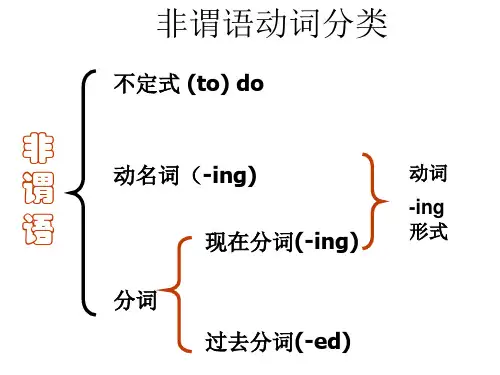
Being done 与done做状语的区别现在分词作状语现在分词作状语时,分词的逻辑主语必须是句子的主语,分词必须和句中的主语含有逻辑上的主谓关系,否则不能用现在分词作状语。
在使用现在分词时,要注意它的各种形式变化:Hearing the bell, the students began to enter the classroom. 听见铃声,学生们开始走进教室。
(听见和进入两个动作同时发生)Being struck by the heavy storm, they felt helpless. 正受到强暴雨的袭击,他们感到很无助。
(strike 与 feel 两个动作同时发生,但 strike 与 they 之间逻辑关系是被动的 )Having done the work, he went home. 完成了工作,他就回家了。
Having been told many times, he still repeated the same mistake . 给他讲过好几回,他还是犯同样的错。
分词在句中作状语,修饰谓语动词或整个句子,表示动作发生的原因、时间、方式、结果、条件、伴随状况等。
与其它非谓语动词作状语用法区别简析:1. 分词在句中不作目的状语(表目的状语用不定式)。
不定式作状语只在句中表目的、结果、原因、程度。
2. 现在分词的一般式,表示该动作与主句谓语动词同时或基本同时发生;现在分词的完成式,表示该动作先于主句谓语动作发生。
过去分词表被动完成3. 现在分词的一般式的被动式(即 being done) 一般只作原因状语置句首;现在分词的完成式(即 having done; having been done) 在句中作时间原因状语。
Walking in the street, I came across an old friend of mine.表示时间关系的分词短语,可用 when 或 while 引出。
即: when/while walking… Once published, this novel will be very popular. Having worked for four hours, she stopped to have her meal. Lost in the forest, you should first of all remain where you are, waiting for help to come. Having been allowed to take a day off, he was happy to return.1)现在分词作时间状语与其它非谓语动词比较2) 现在分词作原因状语与其它非谓语比较: Being ill, he didn’t go to school. Having smoked too much, he has suffered from l ung cancer. 分词作原因状语:可置前或后,逗号隔开 Having been separated from other continents for millions of years, Australia has many plants and animals not found in any ot her country in the world. The child learns fast, well brought up b y his parents. 由于受到父母良好的教育,这个孩子学得很快。
Seriously injured, he had to be taken to hospital. 不定式短语表原因,多用于表情绪或情感反应的动词/形容词后面 : happy/glad/sad/pleased/excited to do 3) 表方式、伴随情况的状语:作伴随状语的分词表示的动作,必须是主语的另一动作,或与谓语所表示的动作(或状态)同时发生,或对谓语表示的动作(或状态)作进一步地补充说明。
He sat on the sofa, watching TV. =He sat on the sofa, and watched TV. Four people entered the room looking around in a c urious way. = Four people enter the room and looked around in a curious way. ( 伴随动作 ) The teacher stood there, surrounded by students. She sat by the window, not daring to say a word. He stood there, excited to cheer the athlete on. 他们笑着谈着走进了教室。
__________________ , they went into the classroom. 他斜靠 (lean) 着墙站着。
(方式状语 ) He stood leaning against the wall.( = He stood and lean ed against the wall.) He came running back to tell me the news. Laughing and talking 4) 非谓语动词表结果:分词表结果,是伴随谓语动词的发生而同时产生的自然而然的结果,通常放在句末,置句中前后用标点隔开;有时为突出结果,在其前面加 thus 。
谓语动词与分词的动作是一种必然的因果关系,现在分词表主动,过去分词表被动。
不定式表结果,其动作发生在谓语动词之后: 1. 表示未曾预料到的或令人不快的结果,不定式前常加 only/never, 用以强调惊讶和失望。
2. 用于 too + adj./adv. + to do… ; adj./adv enough + to do…; n. + en ough / enough + n. +to do…; so +adj./adv. + as + to do…; such + n. as + to do…; Her only child was ill at home, causing her a l ot of trouble. They went out in such bad weather, caught in a hea vy rain half way. He woke up in the morning, to find the outside world greatly changed. When we hurried to the station, only to b e told that the train had left. He jumped off the cliff, killed at on ce. She got to the company in a hurry, dismissed by the manager. She went abroad never to return. He was too excited not to say a few words.( 程度 ) She is not experienced enough to take up the job. She is so l ovely/such a lovely girl as to be loved by us. 5) 非谓语动词表条件比较: Using your head, you will find a way. Not asked to speak, you had better keep silent. Given more time, we would do it mu ch better. Seeing from the hill, I find the city more beautiful. See n from the hill, the city looks more beautiful. The child slipped a nd fell, hitting his head against the door. 7) 当非谓语动词逻辑主语与句子主语不一致时,就须在非谓语前面加逻辑主语,构成独立主格结构: I waiting for the bus, a bird fell on my heard . He rushe d into the room, his face covered with sweat. All the tickets havi ng been sold out, they went away disappointedly. 所有票卖光了,他们失望离开 Time permitting, we'll do another two exercises. It being Sun day, we stayed at home and relaxed. 6) 分词作让步状语或 although, even if/though + 分词 Working hard as she did, she still couldn’t succeed. Beaten by the opposite team, the players were not dis couraged and practiced even harder. The key lost, she couldn’t enter the room. So much work to do, I can’t go camping with you. 有时也用 with (without)+ 名词/代词宾格+分词形式 With the lights burning, he fell asleep. 点着灯睡了 With the task finished, they went out to play. With this book to help you , you can finish your work as soon as possible.????? ?????????? 8) 常见的独立成分: Judging from/by his appearance, he must be an actor. 从外表看,他一定是个演员。