
Done和being done的区别
- 格式:ppt
- 大小:84.00 KB
- 文档页数:13

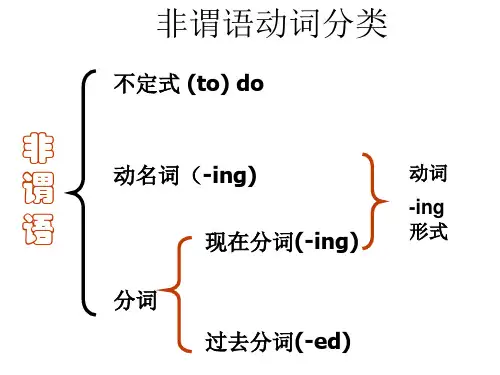

being done和done作状语区别
being done是非谓语动词doing的被动形式,表示被动,且同时强调正在进行。
done为过去分词,表示被动和完成的意义。
being done的用法
(1)Being repaired now,this classroom can’t be used.
因为正在维修,这教室无法使用。
(2)Being stuck by the heavy storm,they felt helpless.
正受到强暴雨的袭击,他们感到很无助。
done的用法
(1)Given better attention,the trees could grow better.
若管理得好一些,这些树木会生长得更好些。
(2)The test finished,we began our holiday.
考试结束了,我们开始放假。
(3)More time given,we should have done it much better.
如果给我们更多的时间,我们会做得更好。
(4)Although tired,I must go on working.
我虽然累了,但必须继续干。
过去分词与现在分词作状语的区别
(1)过去分词与句子的主语之间存在逻辑上的动宾关系,即表示被动。
Asked why he was late,he cried.
(2)现在分词与句子的主语之间存在逻辑上的主谓关系,即表示被动。
Looking out of the window,I saw some students playing there.。


Being done 与done做状语的区别现在分词作状语现在分词作状语时,分词的逻辑主语必须是 句子的主语,分词必须和句中的主语含有逻辑上 的主谓关系,否则不能用现在分词作状语。
在使 用现在分词时,要注意它的各种形式变化:Hearing the bell, the students began to enter the classroom. 听见铃声,学生们开始走进教室。
(听见和进入两个动作同时发生)Being struck by the heavy storm, they felt helpless. 正受到强暴雨的袭击,他们感到很无助。
(strike 与 feel 两个动作同时发生,但 strike 与 they 之间逻辑关系是被动的 )Having done the work, he went home. 完成了工作,他就回家了。
Having been told many times, he still repeated the same mistake . 给他讲过好几回,他还是犯同样的错。
分词在句中作状语,修饰谓语动词或整个句子,表示动作发生的原因、时间、方式、结果、条件、伴随状况等。
与其它非谓语动词作状语用法区别简析:1. 分词在句中不作目的状语(表目的状语用不定式)。
不定式作状语只在句中表目的、结果、原因、程度。
2. 现在分词的一般式,表示该动作与主句谓语动词同时或基本同时发生;现在分词的完成式,表示该动作先于主句谓语动作发生。
过去分词表被动完成3. 现在分词的一般式的被动式(即 being done) 一般只作原因状语置句首;现在分词的完成式(即 having done; having been done) 在句中作时间原因状语。
Walking in the street, I came across an old friend of mine.表示时间关系的分词短语,可用 when 或 while 引出。