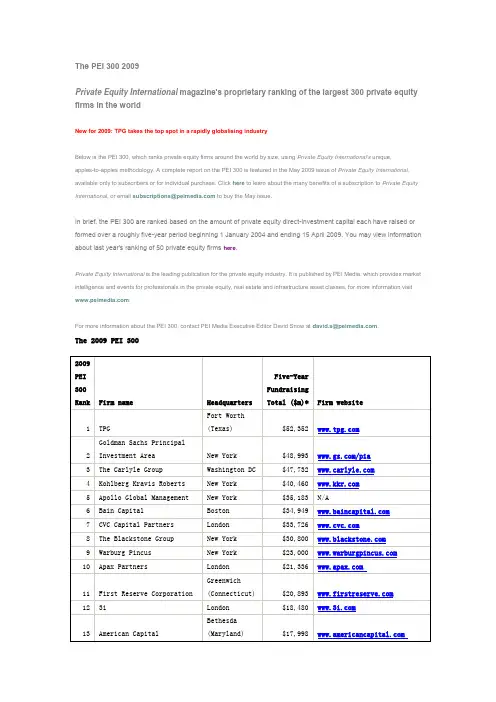
inthetopspot
- 格式:pdf
- 大小:195.42 KB
- 文档页数:3
Strategy
In The Top Spot
In the highly competitive $3 billion mobile phone market in India, Nokia has managed to make its brand the phone of choice for millions. It currently has a market share of over 70 per cent. Abhijit Joshi tracks the Finnish company's strategy for success.
Motorola 3 LG 3 Others 3
Source: ORG GFK
adopt an aggressive pricing strategy to fight the grey market, successfully. Initially the grey market accounted for 80 per cent of the mobile phone sales due to a huge price differential between the legally imported and the grey market phones. Even as the government slashed duties to reduce the scope of arbitrage, Nokia and other handset players too reduced their prices to induce the consumer to buy a phone from the authorised phone shops. Today, the grey market comprises less than 20 per cent of the total handset market. As part of its distribution strategy, Nokia has ensured that it has a presence in all 2,000 cities and towns that have cellular coverage. Nokia's distribution network of over 30,000 outlets is roughly double that of its rivals, according to industry sources. The other edge that Nokia has over its rivals is the large portfolio of phones.
I
n its marketing endeavours, Nokia has ensured that its advertising ensures its phones stand out from the clutter of mobile phone advertising. “Our advertising is aimed at making communication relevant to strengthen consumer-connect with the brand,” says Sanjay Behl, head of marketing, Nokia India. Nokia has not used the pricing plank for marketing its phones. However, it did
Unlike other consumer durables, a mobile phone is a style statement much like the wristwatch. The design, style and colour elements play an important role when consumers are choosing a phone. Today it has the largest range of handset models to choose from. Nokia has introduced phones at all price points, right from the mass market entry-level phones to the mid-market colour and camera phones and also the high-end exclusive phones. “Nokia empowers the consumer in that it offers a choice of more than one phone at every price point,” says Kobita Desai, principal analyst, telecom, with research firm, Gartner. “Thus, in the mid-market range, you can have a phone suited for the corporate types while another would be aimed at techno-loving teenagers.” Nokia lost its edge when GSM's rival technology, CDMA, made its entry in 2003. That was because the Finnish major had concentrated on GSM technology and
THE LARGEST RANGE OF CELL PHONES: A Nokia store displays a gamut of accessories
Market Share GSM Mobiles
Nokia 71 Samsung 10 Sony Ericsson 10
All figures represent percentages.
Wቤተ መጻሕፍቲ ባይዱ
A DISTRIBUTION NETWORK DOUBLE THAT OF ITS RIVALS: Nokia’s Sanjeev Sharma
hen mobile phones were introduced in India in the mid-90s, US based Motorola, Sweden's Ericsson and Finland's Nokia dominated the handset market in India. Over the years, the old order has changed. Asian players like Samsung and LG, European brands Philips and Siemens now compete with Motorola and Sony-Ericsson. However, Nokia has been able to race ahead of all other players to become the leading mobile handset maker across the world. In India its dominance is even more pronounced with a 70 per cent market share, compared to around 30 per cent globally. Its closest rival in the Indian market, Samsung, comes a poor second with less than 10 per cent market share. Its business strategy, management style and marketing savvy have earned it the respect of its peers. In 2004, Nokia was chosen as 'the most respected consumer durables company' in India by the weekly magazine BusinessWorld. The reasons for Nokia's stupendous success in India include amazing branding, a focussed marketing exercise and distribution strength, among others. Sanjeev Sharma, CEO, Nokia India, says, “An extensive product range, anticipating consumer trends early — we were the first to introduce a phone for the fashion segment, the 8210 — a retail strategy that ensures consumers across the country get a consistent experience and an excellent staff, all put together, clicked for Nokia.” Nokia's commitment to the Indian consumer was underscored when it became the first, and only, handset major to develop a model suited for Indian conditions. The company launched two models, 1100 and 1108, after intensive research on the
In The Top Spot
In the highly competitive $3 billion mobile phone market in India, Nokia has managed to make its brand the phone of choice for millions. It currently has a market share of over 70 per cent. Abhijit Joshi tracks the Finnish company's strategy for success.
Motorola 3 LG 3 Others 3
Source: ORG GFK
adopt an aggressive pricing strategy to fight the grey market, successfully. Initially the grey market accounted for 80 per cent of the mobile phone sales due to a huge price differential between the legally imported and the grey market phones. Even as the government slashed duties to reduce the scope of arbitrage, Nokia and other handset players too reduced their prices to induce the consumer to buy a phone from the authorised phone shops. Today, the grey market comprises less than 20 per cent of the total handset market. As part of its distribution strategy, Nokia has ensured that it has a presence in all 2,000 cities and towns that have cellular coverage. Nokia's distribution network of over 30,000 outlets is roughly double that of its rivals, according to industry sources. The other edge that Nokia has over its rivals is the large portfolio of phones.
I
n its marketing endeavours, Nokia has ensured that its advertising ensures its phones stand out from the clutter of mobile phone advertising. “Our advertising is aimed at making communication relevant to strengthen consumer-connect with the brand,” says Sanjay Behl, head of marketing, Nokia India. Nokia has not used the pricing plank for marketing its phones. However, it did
Unlike other consumer durables, a mobile phone is a style statement much like the wristwatch. The design, style and colour elements play an important role when consumers are choosing a phone. Today it has the largest range of handset models to choose from. Nokia has introduced phones at all price points, right from the mass market entry-level phones to the mid-market colour and camera phones and also the high-end exclusive phones. “Nokia empowers the consumer in that it offers a choice of more than one phone at every price point,” says Kobita Desai, principal analyst, telecom, with research firm, Gartner. “Thus, in the mid-market range, you can have a phone suited for the corporate types while another would be aimed at techno-loving teenagers.” Nokia lost its edge when GSM's rival technology, CDMA, made its entry in 2003. That was because the Finnish major had concentrated on GSM technology and
THE LARGEST RANGE OF CELL PHONES: A Nokia store displays a gamut of accessories
Market Share GSM Mobiles
Nokia 71 Samsung 10 Sony Ericsson 10
All figures represent percentages.
Wቤተ መጻሕፍቲ ባይዱ
A DISTRIBUTION NETWORK DOUBLE THAT OF ITS RIVALS: Nokia’s Sanjeev Sharma
hen mobile phones were introduced in India in the mid-90s, US based Motorola, Sweden's Ericsson and Finland's Nokia dominated the handset market in India. Over the years, the old order has changed. Asian players like Samsung and LG, European brands Philips and Siemens now compete with Motorola and Sony-Ericsson. However, Nokia has been able to race ahead of all other players to become the leading mobile handset maker across the world. In India its dominance is even more pronounced with a 70 per cent market share, compared to around 30 per cent globally. Its closest rival in the Indian market, Samsung, comes a poor second with less than 10 per cent market share. Its business strategy, management style and marketing savvy have earned it the respect of its peers. In 2004, Nokia was chosen as 'the most respected consumer durables company' in India by the weekly magazine BusinessWorld. The reasons for Nokia's stupendous success in India include amazing branding, a focussed marketing exercise and distribution strength, among others. Sanjeev Sharma, CEO, Nokia India, says, “An extensive product range, anticipating consumer trends early — we were the first to introduce a phone for the fashion segment, the 8210 — a retail strategy that ensures consumers across the country get a consistent experience and an excellent staff, all put together, clicked for Nokia.” Nokia's commitment to the Indian consumer was underscored when it became the first, and only, handset major to develop a model suited for Indian conditions. The company launched two models, 1100 and 1108, after intensive research on the