
留守儿童(英文)
- 格式:pptx
- 大小:2.81 MB
- 文档页数:29
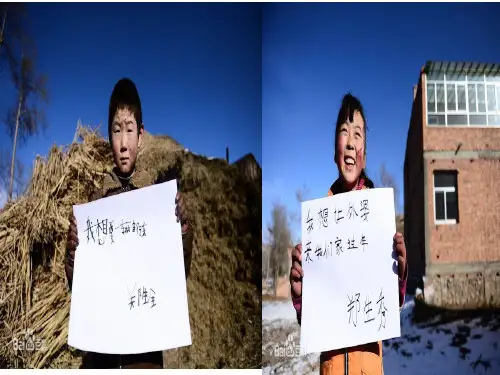

关爱留守儿童英语作文80词英文:As the world's cities grow increasingly crowded, a growing number of children are left behind in rural areas, often without adequate care and support. These "left-behind" children face many challenges, including social isolation, lack of proper education, and emotional distress. But it doesn't have to be this way.We, as a society, have the responsibility to care for these children. It may seem like a daunting task, but it's essential that we start taking action. Firstly, we must understand the plight of these children and address their needs. We must create an environment that encourages open communication, mutual respect, and empathy between children and adults.Let's start by providing them with a safe and loving environment where they can thrive. We can provide access to education, health care, and nutritious food. We can also provide emotional support and guidance to help them overcome their challenges and build resilience. In addition, we can create opportunities for them to connect with other children and share their experiences, whichcan help them feel less isolated and alone.In conclusion, caring for these children is not just about providing material assistance. It's about creating an environment that fosters growth, happiness, and hope. It's about giving them a chance to realize their full potential and become contributing members of society. By doing so, we will not only help these children but also strengthen our own communities and promote social justice.中文:随着世界城市变得越来越拥挤,越来越多的儿童被留在了农村地区,往往缺乏足够的照顾和支持。

不想让孩子成为留守儿童的文案英文回答:Growing up as a child in a rural area, I have witnessed firsthand the challenges and hardships faced by children who are left behind by their parents who migrate to cities in search of better job opportunities. These children, known as "留守儿童" or left-behind children, often lack parental care, guidance, and emotional support, which can have a profound impact on their overall well-being and development.One of the main reasons why I don't want my child to become a left-behind child is because of the negative effects it can have on their mental and emotional health. Without the presence of parents, these children often feel lonely, abandoned, and neglected. They may suffer from anxiety, depression, and low self-esteem, which can hinder their ability to form healthy relationships and succeed academically.Additionally, being a left-behind child can also expose my child to various risks, such as increased vulnerability to abuse, exploitation, and delinquency. Without proper supervision and guidance, they may be more susceptible to negative influences and engage in risky behavior. I want my child to grow up in a safe and nurturing environment, where they can be protected and guided towards making positive choices.Moreover, as a parent, I believe it is myresponsibility to provide my child with the love, care, and support they need to thrive. I want to be there for them during their formative years, to witness their milestones, and to guide them through life's challenges. By being actively involved in their upbringing, I can instill important values, teach them life skills, and help shape their character.中文回答:作为一个在农村长大的孩子,我亲眼目睹了那些被父母留在乡村的孩子们所面临的挑战和困难。

留守儿童关爱趣味游戏活动方案及流程英文版Left-Behind Children Care Fun Game Activity Plan and ProcessBackground:In recent years, the issue of left-behind children has gained increasing attention. These children, often left behind in their rural hometowns while their parents migrate to cities for work, face various challenges such as loneliness, lack of supervision, and limited access to educational and cultural opportunities. To address these issues and promote the overall development of left-behind children, it is crucial to organize fun and engaging game activities that not only entertain them but also foster their social, emotional, and cognitive growth.Activity Plan:1. Objective:The objective of this activity is to provide left-behind children with an opportunity to participate in fun and interactive games, fostering their social skills, teamwork, and creativity while also bringing joy and happiness to their lives.2. Games:a. Treasure Hunt: Children will be divided into teams and given clues to find hidden treasures in the playground. This game encourages teamwork, communication, and problem-solving skills.b. Drawing Contest: Children can showcase their creative talents by drawing pictures related to their village, family, or daily life. This activity fosters creativity and imagination.c. Sports Relay: Through relay races and other sports activities, children can improve their physical fitness and learn the importance of teamwork and sportsmanship.3. Resources:a. Venue: Use a school playground or any open space suitable for the activities.b. Equipment: Provide necessary equipment for the games, such as markers, paper, crayons, balls, and relay race equipment.c. Volunteers: Recruit volunteers to assist in organizing and supervising the activities.4. Process:a. Registration: Invite children and their guardians to register for the event. Provide information about the date, time, and location of the activity.b. Introduction: Begin the event with a brief introduction about the purpose and importance of the games for left-behind children.c. Group Formation: Divide children into teams randomly or based on their ages and interests.d. Game Play: Conduct the games in a fun and structured manner, ensuring the safety and happiness of all participants.e. Award Ceremony: At the end of the event, present awards and certificates to the winning teams and outstanding individuals.f. Feedback: Collect feedback from children and guardians to improve future events.Conclusion:By organizing fun and engaging game activities for left-behind children, we can not only provide them with a break from their daily routine but also foster their social, emotional, and cognitive growth. Such activities are crucial in promoting the overall well-being and happiness of these children, helping them develop into confident and responsible individuals.中文版留守儿童关爱趣味游戏活动方案及流程背景:近年来,留守儿童问题日益受到关注。

关爱留守儿童英语作文80词英文回答:As a responsible member of society, it is our duty to care for left-behind children. These children, who are often left behind by their parents who work in the cities, face numerous challenges and difficulties in their daily lives. They lack the love, care, and guidance that every child deserves. Therefore, it is crucial for us to provide support and assistance to these children.One way to show our care for left-behind children is by organizing educational programs. By offering tutoring classes or after-school activities, we can help them improve their academic performance and broaden their horizons. Additionally, we can also provide emotional support by organizing events that allow them to express themselves and share their feelings. This will help them develop a sense of belonging and reduce their feelings of loneliness and isolation.Another way to care for left-behind children is by strengthening community involvement. Local communities can establish support networks and volunteer groups toregularly visit and check on these children. By building relationships with them, we can provide them with a sense of security and stability. Moreover, we can also organize community events where these children can interact with other children and develop social skills.Furthermore, it is essential to address the root causes of the issue. We should advocate for policies andinitiatives that promote employment opportunities in rural areas, so parents don't have to migrate to cities for work. By creating job opportunities closer to their homes, we can reduce the number of left-behind children and keep families together.In conclusion, caring for left-behind children is a responsibility that we should all take seriously. By organizing educational programs, strengthening community involvement, and addressing the root causes of the issue,we can make a positive impact on their lives. Let us come together and provide the love and support that these children deserve.中文回答:作为社会的一份子,关心留守儿童是我们的责任。