
以色列英语介绍
- 格式:ppt
- 大小:13.05 MB
- 文档页数:17


你们喜欢以色列吗英语作文Title: Exploring Perspectives: Do We Like Israel?Israel, a nation steeped in history, culture, and controversy, often evokes strong opinions and sentiments worldwide. When asked whether we like Israel, the answer isn't straightforward. It involves delving into various aspects — political, cultural, historical, and humanitarian. Let's embark on an exploration of perspectives to understand this complex question.Firstly, it's essential to acknowledge Israel's rich cultural heritage. From ancient archaeological sites to modern innovation hubs, Israel boasts a diverse tapestry of traditions, cuisines, and artistic expressions. The contributions of Israeli literature, music, and technology to the global stage are undeniable. Appreciating Israel's cultural vibrancy is separate from political views and lays the groundwork for constructive dialogue.On the geopolitical front, opinions diverge widely. Israel's establishment in 1948, amidst regional turmoil, sparked decades of conflict with its neighbors. TheIsraeli-Palestinian conflict, with its myriad complexities and deep-rooted grievances, remains a focal point of international concern. Views on Israel often align with stances on this issue, ranging from staunch support for Israel's right to exist and defend itself to vehement opposition to its policies in the occupied territories.One cannot discuss Israel without addressing its geopolitical significance. Situated at the crossroads of three continents, Israel plays a strategic role in global affairs. Its alliances, particularly with Western powers, shape diplomatic landscapes and influence policies worldwide. For some, Israel represents a bastion of democracy and stability in a volatile region, while for others, its actions provoke criticism and scrutiny.Humanitarian considerations also factor into opinions about Israel. The plight of Palestinians living under occupation, with restricted access to resources and basicrights, evokes empathy and calls for justice. Conversely, Israel's security concerns, stemming from historical persecution and ongoing threats, compel it to take measures perceived as necessary for self-preservation. Balancing these concerns while upholding human rights principles poses a formidable challenge.Moreover, religious narratives intertwine with perceptions of Israel. For Jews, Israel holds deepreligious significance as the ancestral homeland promisedin scripture. The establishment of the modern state of Israel was a pivotal moment in Jewish history, symbolizing resilience and self-determination. Conversely, some view Israel through the lens of religious tensions, particularly regarding its control over contested religious sites in Jerusalem.Economic ties also shape attitudes toward Israel. Its robust economy, characterized by technological innovation and entrepreneurship, fosters collaboration and investment from around the world. Partnerships in sectors like cybersecurity, agriculture, and healthcare yield mutualbenefits and contribute to global prosperity. Economic considerations can thus influence perceptions of Israel beyond political and ideological divides.In conclusion, the question of whether we like Israelis multifaceted, encompassing cultural, political, humanitarian, religious, and economic dimensions. While opinions vary widely, engaging in informed dialogue and understanding diverse perspectives are crucial. Recognizing Israel's cultural contributions, addressing geopolitical complexities, advocating for human rights, and fostering cooperation can pave the way for a more nuanced approach to this complex issue. Ultimately, striving for peace, justice, and mutual respect should guide our interactions withIsrael and its people.。

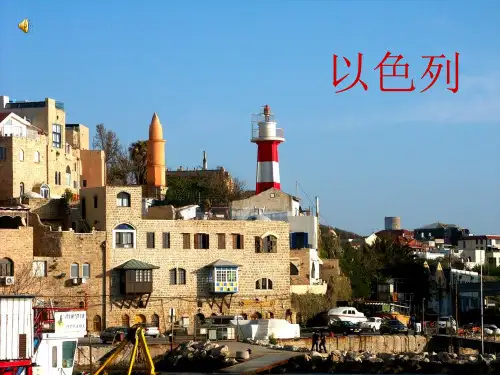

以色列 Israel 以色列国The State of Israel■位于亚非走廊上犹太人建立的国家/土地肥沃的地中海平原/中部山地/约旦河谷/死海/内格夫沙漠/冬暖夏热的地中海气候/丰富的动植物资源■犹太人为主体的民族结构/以犹太教为主的多宗教之国/以希伯来语为主的多语种国家/具有东方特色的风俗习惯■古代希伯来文明/波斯帝国到罗马统治/阿拉伯帝国到奥斯曼帝国的统治/英国统治到犹太国的建立■国旗/国家机构/行政区划/主要政党■经济综述/农牧业/中东地区的第一工业国/日益完善的交通运输业/对外贸易/投资指南■现代化教育/具有特色的博物馆/先进的科学技术/新闻出版 ■最大的都市—特拉维夫—雅法/重要的港口—海法■旅行前的准备/季节的选择/最佳旅游路线指南/旅游时的注意事项 国土 ●位于亚非走廊上犹太人建立的国家 以色列是1948年犹太人建立的共和国,位于西南亚洲地中海东岸,是三大洲的会合点,尼罗河和幼发拉底河之间以及非洲和欧亚大陆之间的桥梁,又是西连地中海和大西洋以及通过亚喀巴湾,南连红海并通向印度洋的枢纽。
埃及和肥沃新月地带各国之间惟一的陆路通道也在以色列境内,因此,以色列又是南方和西南方的阿拉伯同它北方、东方和东北方的阿拉伯国家之间的桥梁。
以色列北邻黎巴嫩、东北接叙利亚、东界约旦、南连亚喀巴湾。
根据1947年联合国关于“巴勒斯坦分治决议”的规定,以色列的国土面积为1 4万平方公里。
以色列不断实行军事扩张,曾非法占领约旦河西岸、加沙地带、东部耶路撒冷和戈兰高地。
●土地肥沃的地中海平原 地中海平原南北长约200公里,东西宽约20公里。
由海法半岛向南,海岸全部为直线状,没有一点曲折。
海法附近,平原宽约5公里,海法以北是另一段沿海平原,宽度甚小。
这两段平原之间,隔有一条小山背,称卡美山,西北东南方向,伸入海内,构成海岬,把沿海平原隔成南北两段。
南北两段沿岸都有沙丘,沙丘是经由海流将尼罗河的沙土搬运堆积而成。