
中华传统文化——剪纸_英文介绍
- 格式:ppt
- 大小:12.42 MB
- 文档页数:10
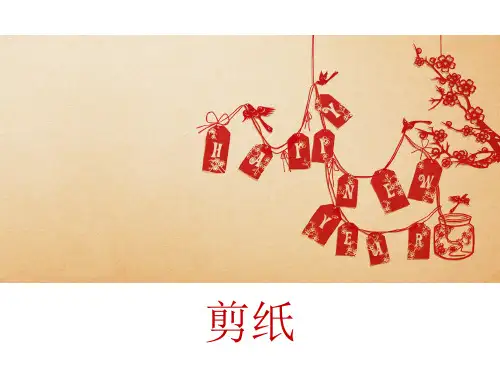

英语作文中国剪纸Chinese paper cutting, also known as "jianzhi" (剪纸),is a traditional folk art in China. It involves cutting paper with scissors or a knife to create intricate designs and patterns. It has a long history and is often used for decorations, gifts, and even in traditional ceremonies.The art of Chinese paper cutting is believed to have originated in the 6th century. It has been passed down from generation to generation, with each region in China developing its own unique style and techniques. The designs often feature symbols of good luck, prosperity, and happiness, such as animals, flowers, and Chinese characters.One of the most fascinating aspects of Chinese paper cutting is the level of skill and precision required to create the intricate designs. It takes years of practicefor an artist to master the art form, and the best paper cutters are highly respected in Chinese culture.In addition to its cultural significance, Chinese paper cutting is also a popular form of folk art that is enjoyed by people of all ages. Many people enjoy learning how to create their own paper cuttings as a hobby, and there are even competitions and exhibitions dedicated to the art form.In recent years, Chinese paper cutting has gained international recognition and has been celebrated for its beauty and cultural significance. It has been showcased in museums and galleries around the world, and many artists have found success in sharing this traditional art formwith a global audience.。

Chinese Paper-Cutting: A Fascinating ArtFormPaper-cutting is a traditional Chinese art form that has been passed down through generations. It involves using scissors or a knife to cut paper into various shapes and designs, often featuring intricate patterns and motifs.The history of Chinese paper-cutting can be traced back hundreds of years. It is not only a form of decorative art but also holds cultural and symbolic significance. Each paper-cut design may tell a story, convey a message, or represent a particular theme.Paper-cutting artists employ a variety of techniques to create their masterpieces. They may use single or multiple sheets of paper, and employ different cutting styles to achieve desired effects. The resulting paper-cuts can be as simple or as complex as the artist desires, ranging from delicate floral patterns to elaborate scenes.Chinese paper-cuts are often used to decorate homes, windows, and walls during festivals and special occasions. They add a touch of elegance and charm to any space. Additionally, paper-cuts are also given as gifts to express good wishes, love, and gratitude.One of the remarkable aspects of paper-cutting is its ability to showcase the creativity and craftsmanship of the artist. Each cut is madewith precision and attention to detail, resulting in stunning works of art. Whether it's a small, delicate design or a large, elaborate piece, paper-cutting demonstrates the beauty and artistry of this ancient tradition.In conclusion, Chinese paper-cutting is a truly captivating art form that combines skill, creativity, and cultural heritage. It offers a glimpse into China's rich artistic traditions and serves as a testament to the enduring appeal of this unique craft.。

介绍中国非物质文化遗产剪纸的英语作文Intricate paper-cuttings, known as jianzhi in Chinese, are a captivating form of intangible cultural heritage that has been passed down through generations in China. This delicate art form involves cutting intricate patterns and designs into thin sheets of paper, creating breathtaking and intricate works of art. The art of paper-cutting has its roots deeply intertwined with the rich cultural tapestry of China, reflecting the ingenuity, patience, and artistic expression of its people.The origins of paper-cutting can be traced back to the 6th century during the Tang Dynasty, when paper-making techniques were refined and the art form began to flourish. Initially, paper-cuttings were used for decorative purposes, adorning windows, lanterns, and other household items. Over time, the craft evolved into a sophisticated art form, with each region developing its unique styles and motifs, often drawing inspiration from local legends, folktales, and natural elements.One of the most renowned paper-cutting traditions is the Shaanxi style, which is characterized by its intricate and symmetrical designs. These paper-cuttings often depict auspicious symbols, such asdragons, phoenixes, and peonies, believed to bring good luck and prosperity. The Shandong style, on the other hand, is known for its bold and vibrant patterns, incorporating elements from traditional folk art and mythology.The process of creating a paper-cutting is a labor of love, requiring patience, precision, and a steady hand. Artists begin by folding the paper into intricate patterns, then carefully cutting away the negative spaces, revealing the intricate designs beneath. Each cut is made with precision, as a single mistake could ruin the entire work. The level of detail and intricacy in some paper-cuttings is truly astounding, with some pieces consisting of hundreds or even thousands of delicate cuts.Beyond its aesthetic beauty, paper-cutting holds profound cultural significance in China. It is often used to celebrate important festivals and occasions, such as the Lunar New Year, weddings, and birthdays. Paper-cuttings are believed to bring good fortune and ward off evil spirits, making them an essential part of many cultural traditions and rituals.In recent years, efforts have been made to preserve and promote this ancient art form. Paper-cutting has been inscribed on the UNESCO List of Intangible Cultural Heritage, recognizing its importance as a living tradition that must be safeguarded for future generations.Museums and cultural centers across China host exhibitions and workshops, providing platforms for artists to showcase their skills and pass on their knowledge to aspiring practitioners.Despite the challenges posed by modernization and the lure of contemporary art forms, paper-cutting continues to captivate audiences and inspire new generations of artists. Its enduring appeal lies in its ability to blend tradition and innovation, creating works that are both visually stunning and culturally significant. As the world becomes increasingly globalized, the art of paper-cutting serves as a reminder of the richness and diversity of Chinese culture, inviting us to appreciate the beauty and intricacy of this remarkable intangible cultural heritage.。

介绍一篇中华传统文化剪纸的英语作文初一Title: The Art of Chinese Paper CuttingHello everyone,Today, I would like to take you on a journey through one of the most fascinating traditional arts of China – Paper Cutting, also known as Jianzhi in Mandarin. This ancient craft has been an integral part of Chinese culture for centuries, not only as a decorative art form but also as a way to express wishes, beliefs, and stories.Origins of Paper CuttingThe art of paper cutting can be traced back to the Han Dynasty, over 2,000 years ago. At that time, paper was a relatively new invention, and people quickly discovered its potential for creative expression. Initially, paper cutouts were used for religious and ceremonial purposes, such as decorating temples and altars during festivals. Over time, it evolved into a popular folk art enjoyed by people of all ages.Techniques and ToolsThe basic tools required for paper cutting are simple: a sharp knife or scissors, and of course, paper. Artists start by folding the paper into intricate patterns, which helps them create symmetrical designs easily. They then carefully cut out shapes and patterns, using both straight and curved lines to create detailed images. Some artists even use multiple layers of paper to create three-dimensional effects.Themes and SymbolismPaper cutting themes are diverse and rich in symbolism. Commonmotifs include animals like dragons and phoenixes, which represent power, good fortune, and love; flowers and plants symbolizing prosperity and beauty; as well as traditional Chinese characters and patterns that carry specific meanings and wishes. For example, the character "Fu" (福), meaning happiness, is often cut out in red paper and displayed during the Spring Festival to bring good luck to the household.Cultural SignificancePaper cutting is more than just an art form; it's a window into Chinese culture and traditions. It reflects the creativity and ingenuity of the Chinese people, as well as their deep-rooted beliefs and values. It's also a way for families to bond, as generations pass down the skills and knowledge from one to another. During festivals and special occasions, paper cutouts decorate homes and streets, adding a festive atmosphere and celebrating the harmony between man and nature.Modern RelevanceToday, even in the digital age, the art of paper cutting remains vibrant and relevant. It has found new audiences worldwide, with many artists experimenting with modern themes and techniques while staying true to its traditional roots. Paper cutting workshops and exhibitions are held regularly, not only in China but also in other countries, promoting cultural exchange and appreciation.In conclusion, the art of paper cutting is a treasure trove of Chinese culture, filled with beauty, symbolism, and meaning. It's a testament to the creativity and perseverance of the Chinese people, and a reminder of the enduring power of tradition in shaping our identity and connecting us to our past. Let's continue to cherish and celebrate this wonderful art form!。