
小学一年级英语 PERFECT TENSES
- 格式:ppt
- 大小:982.50 KB
- 文档页数:9



百词斩英语12种时态present simple一般现在时Tenses: Present Simple (present tense + common aspect) 时态:现在简单(现在时态+共同体)2. General existence; stating a fact:2.普遍存在;陈述事实:3. Dramatic narrative (theatre, sports, etc. events):3.戏剧叙事(戏剧、体育等活动):Johnson takes the ball, he bounces it to the floor, then he throws and scores two points.约翰逊接过球,把球弹到地板上,然后投进并得到2分。
present progressive现在进行时Present Progressive (present tense + progressive aspect) 现在进行时(现在时+进行体)1. Action happening now:1.正在进行的动作past simple一般过去时Tenses: Past Simple (past tense + common aspect)时态:过去式(过去式+共同体)Actions, events in the past:过去的行动、事件:Past Progressive过去进行式Tenses: Past Progressive (past tense + progressive aspect) 时态:过去进行时(过去时+进行体)Action in progress in the past:过去正在采取的行动:Present Perfect Simple (present perfect tense + common aspect)一般现在完成时(现在完成时+共同体)2. Action in incomplete time:2.不完全时间内的行动:3. Action in the past without saying when:过去的行动,不说何时:4. Action beginning in the past and still continuing:4.过去开始并仍在继续的行动:Present Perfect Progressive现在完成进行时Present Perfect Progressive (present perfect tense + progressive aspect)现在完成进行体(现在完成时+进行体)Past Perfect Simple过去完成时Past Perfect Simple (past tense + common aspect)一般过去时(过去时+共同体)Past Perfect Progressive过去完成进行时Past Perfect Progressive (past perfect tense + progressive aspect)过去进行时Fact, action or event in the future:未来的事实、行动或事件:Future Progressive进步的未来Future Progressive (future tense + progressive aspect) 将来进行体(将来时+进行体)Future Perfect Simple将来完成时Future Perfect Simple (future perfect tense + common aspect)将来完成时态+共同部分Future Perfect Progressive将来完成进行时Future Perfect Progressive (future perfect tense + progressive aspect)将来完成进行体(将来完成时+进行体)。

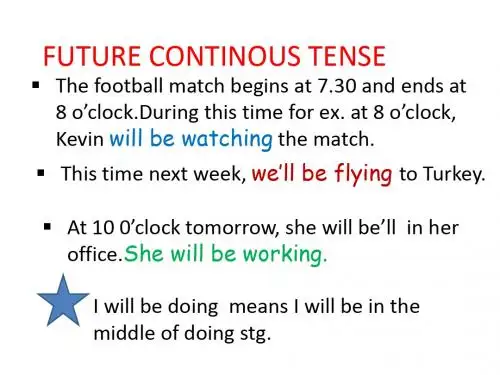
英语语法16种时态English grammar has sixteen different tenses, which are used to express actions or states of being that occur at different times. These tenses are crucial for accurate and effective communication in English, as they allow speakers to convey the timing and duration of events or actions.Here is a detailed explanation of the sixteen tenses in English grammar:1. Simple Present Tense: This tense is used to describe actions or situations that are happening now or that are always true. It is also used for habitual actions or general truths. Example: "I eat an apple every day."2. Present Continuous Tense: This tense is used to describe actions that are happening right now or are in progress. It often involves words like "is," "am," "are," and "-ing" verbs. Example: "I am studying for my exam."actions or situations that occurred at a specific time in the past. Example: "I went to the store yesterday."4. Past Continuous Tense: This tense is used to describe actions that were happening over a period of time in the past. It often involves words like "was," "were," and "-ing" verbs. Example: "I was studying when my friend called me."5. Simple Future Tense: This tense is used to describe actions or situations that will occur in the future. It often involves the use of "will" or "shall" with the base form of the verb. Example: "I will go to the party tonight."6. Future Continuous Tense: This tense is used to describe actions that will be happening over a period of time in the future. It often involves the use of "will be" or "shall be" with the "-ing" form of the verb. Example: "I will be studying abroad next year."describe actions or situations that were completed before another past action or situation. It often involves the use of "had" with the past participle form of the verb. Example: "I had finished my homework before I went to bed."8. Past Perfect Continuous Tense: This tense is used to describe actions that were happening continuously over a period of time in the past, and were completed before another past action or situation. It often involves the use of "had been" with the "-ing" form of the verb. Example: "I had been studying for hours before I finally understood the concept."9. Present Perfect Tense: This tense is used todescribe actions or situations that have been completed at some point in the past and have relevance to the present.It often involves the use of "have" or "has" with the past participle form of the verb. Example: "I have eaten my dinner already."10. Present Perfect Continuous Tense: This tense isused to describe actions that have been happening continuously over a period of time in the past and arestill happening or have relevance to the present. It often involves the use of "have been" or "has been" with the "-ing" form of the verb. Example: "I have been studying for hours and I am still not done."11. Simple Future Perfect Tense: This tense is used to describe actions or situations that will be completed at some point in the future and have relevance to that future time. It often involves the use of "will have" with the past participle form of the verb. Example: "I will have finished my project by tomorrow."12. Future Perfect Continuous Tense: This tense is used to describe actions that will have been happening continuously over a period of time in the future and will be completed at some point in the future. It often involves the use of "will have been" with the "-ing" form of the verb. Example: "I will have been studying for weeks when the exam finally arrives."13. Past Perfect Continuous Tense: This tense is used to describe actions that had been happening continuously over a period of time in the past and were completed before another past action or situation. It often involves the use of "had been" with the "-ing" form of the verb. Example: "By the time I arrived, they had been waiting for hours."14. Future Perfect Simple Tense: This tense is used to describe actions or situations that will be completed at a specific time in the future, often referring to a future time that is fixed or known. It often involves the use of "will have" with the past participle form of the verb. Example: "I will have graduated from college in two years."15. Future Perfect Progressive Tense: This tense is used to describe actions that will have been happening continuously up until a specific time in the future. It often involves the use of "will have been" with the "-ing" form of the verb. Example: "In five years, I will have been living in this city for ten years."16. Conditional Perfect Tense: This tense is used todescribe actions or situations that would have been completed in the past if a certain condition had been met. It often involves the use of "would have" with the past participle form of the verb. Example: "If I had had more time, I would have finished the project."In conclusion, the sixteen tenses in English grammar allow speakers to convey a wide range of actions, situations, and timeframes. By understanding and mastering these tenses, English learners can improve their accuracy and fluency in the language, and more effectively communicate their thoughts and ideas.。