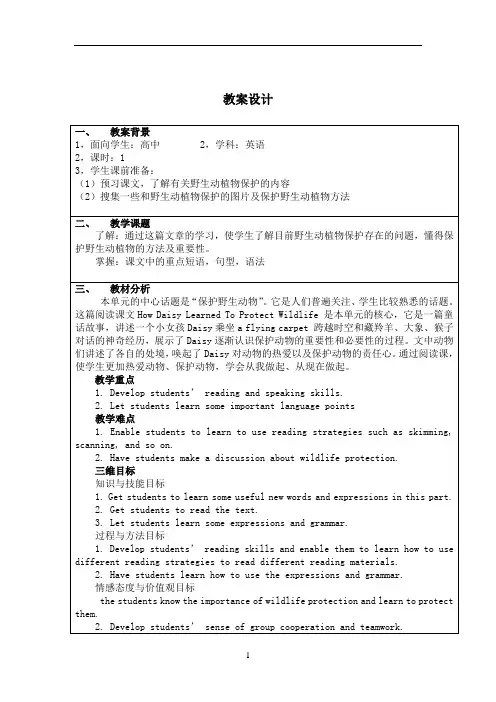
英语必修二第四单元范文
- 格式:doc
- 大小:16.22 KB
- 文档页数:5
英语必修二第四单元范文
英文回答:
1. How does the author use literary devices to develop
the theme of the novel?
The author employs a variety of literary devices to
develop the novel's theme of the transformative power of
love. These devices include:
Symbolism: The novel's central symbol is the titular
flower, which represents the transformative power of love.
The flower blooms in the most unlikely of places,
symbolizing love's ability to thrive even in harsh
conditions.
Imagery: The novel is rich in vivid imagery that
evokes the transformative effects of love. The author uses
imagery of light, warmth, and color to depict the positive
effects of love, and imagery of darkness, cold, and barrenness to depict the negative effects of its absence.
Metaphor: The author uses metaphors to compare love to
a variety of other things, such as a fire, a storm, and a
journey. These metaphors emphasize the transformative power
of love, as it can consume, destroy, and change the lives
of those who experience it.
Foreshadowing: The novel uses foreshadowing to hint at
the transformative effects of love that will occur later in
the story. For example, the novel opens with a description
of the flower that will later become the central symbol of
love.
2. How does the author's use of language contribute to
the novel's overall meaning?
The author's use of language contributes to the novel's
overall meaning in a number of ways. First, the author uses
a lyrical and poetic style that creates a sense of beauty
and wonder. This style helps to convey the transformative
power of love, which is often described in terms of beauty, joy, and hope.
Second, the author uses a variety of literary devices,
such as symbolism, imagery, and metaphor, to create a rich
and multi-layered text. These devices allow the author to
explore the theme of love from multiple perspectives and to
create a more complex and nuanced understanding of its
transformative power.
Third, the author uses language to create a sense of
intimacy between the reader and the characters. This
intimacy allows the reader to experience the transformative
effects of love firsthand, and to better understand the
ways in which love can change lives.
中文回答:
1. 作者如何运用文学手法来表现这部小说的主题?
作者运用各种文学手法来展现小说的主题——爱的转变力量。这些手法包括:
象征,小说中核心的象征是标题中的花朵,它代表了爱的转变力量。这朵花在最不可能的地方盛开,象征着即使在恶劣的环境中,爱也能茁壮成长。
意象,小说中充满了生动的意象,唤起了爱带来的转变效应。作者运用光、暖和色彩的意象来描绘爱的积极影响,而用黑暗、寒冷和贫瘠的意象描绘爱的缺失所带来的消极影响。
隐喻,作者将爱比喻成各种其他事物,如火、风暴和旅程。这些隐喻强调了爱的转变力量,因为爱可以消耗、摧毁和改变体验它的人们的生活。
预示,小说使用预示来暗示以后故事中会出现的爱的转变效应。例如,小说以对花的描述开篇,这朵花后来成为爱的核心象征。
2. 作者运用语言的方式如何为小说的总体含义做贡献?
作者使用语言的方式通过多种方式为小说的总体含义做贡献。首先,作者运用抒情和诗意的风格,营造出一种美感和惊叹。这种风格有助于传达爱的转变力量,爱的转变力量通常用美、喜悦和希望来形容。
其次,作者运用各种文学手法,如象征、意象和隐喻,创造了一个丰富而多层次的文本。这些手法允许作者从多个视角探索爱这一主题,并对爱的转变力量创造出更复杂和微妙的理解。
第三,作者运用语言在读者和角色之间营造出一种亲密感。这种亲密感使读者能够亲身体验爱的转变效应,并更好地理解爱改变生活的方式。