
冀教版(三起)五下Lesson 15《Sending the Postcards》课件1
- 格式:ppt
- 大小:1.57 MB
- 文档页数:11

教案:五年级下册英语教案-15 Sending the Postcards |冀教版(三起)教学目标:1. 能够理解故事内容,把握故事情节。
2. 能够运用一般现在时描述日常活动。
3. 能够正确运用目标句型 "What do you usually do on ?" 进行询问和回答。
4. 能够提高听说读写的能力,提升英语综合素质。
教学内容:1. 课文理解:学生通过阅读课文,理解故事情节,掌握故事中的主要人物和活动。
2. 语法学习:学生通过课文学习,掌握一般现在时的用法,能够用一般现在时描述自己的日常活动。
3. 句型练习:学生通过小组讨论,运用目标句型 "What do you usually do on ?" 进行询问和回答,提高口语表达能力。
教学重点与难点:1. 教学重点:学生能够理解故事内容,掌握故事情节,运用一般现在时描述日常活动。
2. 教学难点:学生能够正确运用目标句型 "What do you usually do on ?" 进行询问和回答。
教具与学具准备:1. 教具:课件、黑板、粉笔2. 学具:课本、练习册、文具教学过程:Step 1:热身(5分钟)1. 教师与学生进行简单的英语对话,引导学生复习已学过的日常活动词汇。
2. 学生进行小组活动,用英语介绍自己的日常活动,营造轻松的课堂氛围。
Step 2:课堂引入(10分钟)1. 教师向学生介绍本节课的故事主题 "Sending the Postcards",激发学生的兴趣。
2. 学生通过阅读课文,理解故事情节,掌握故事中的主要人物和活动。
Step 3:语法学习(10分钟)1. 教师引导学生分析课文中的句子,掌握一般现在时的用法。
2. 学生通过小组讨论,运用目标句型 "What do you usually do on ?" 进行询问和回答,提高口语表达能力。
Lesson15 Sending the Postcards一、教材分析本课选自冀教版小学英语五年级下册Unit 3 Wring Home.,本单元,孩子们将学习关于写信、明信片和电子邮件的词汇和表达。
本课处于本单元第三课,通过前两课,学生已经了解了和朋友及家人联系的三种方式,学习了书写明信片和信件的姓名地址,本课主要讲Danny 和Jenny邮寄明信片的过程中发生的事,第一部分主要是怎样指路问路,指路问路四年级学生有过接触,所以在此更加深一下指路问路的应用。
第二部分讲述在邮局里发生的事情。
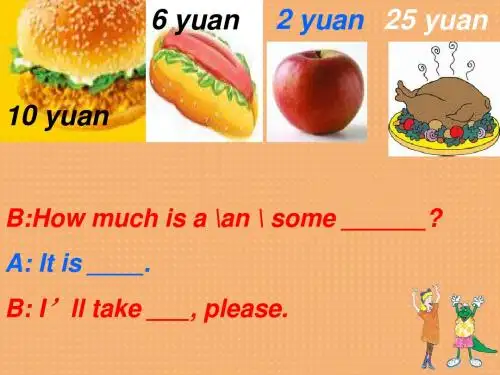
本课通过主要是让学生学会如何如何指路、问路,学会在生活中询问价钱。
本课篇幅不长,图文并茂,但其中包含着丰富的语言信息。
二、学情分析本班学生有了一定的英语知识基础,具备了一定的逻辑思维能力以及简单的口语表达能力和阅读能力,能借助图片读懂简单的对话,表达情感和进行语言交流。
在本单元已经学过明信片的书写格式,学生对明信片有一些了解,并对指路问路以及生活中询问价钱,有了一定的基础和经验。
所以学生学习这一课有了一定的基础。
三、教学目标1.知识目标:(1)能听懂、会说、认读并书写单词:turn, wrong(2)能听懂并遵循基本方向指令语:Go straight. Turn left at the traffic lights.(3)能认读、理解并运用句式:How much are they?--They are_______ yuan.--I’ll take them2.能力目标:会用英语进行简单的问路指路和询问价格。
3.情感态度目标:(1)积极与他人合作,共同完成学习任务。
(2)积极运用所学英语进行表达和交流。
四、教学重点与难点教学重点:1. 能听懂、会说、认读并书写下列词汇:turn、wrong等。
2.能认读、理解并运用下列基本句型结构:Where is the post office?Go straight. Turn left at…How much is/are…?教学难点:结合具体的语境,灵活运用本课所学语言知识,在生活中学会应用指路、问路、询问价钱等英语。
五年级下册英语 Unit 3 Lesson 15 Sending the Postcards 冀教版三起1. IntroductionUnit 3 Lesson 15 Sending the Postcards is a part of the fifth-grade English textbook, published by Jijiao Press (冀教版三起). This lesson mainly teaches students how to write postcards in English and how to express gratitude for people’s help. In this lesson, students will learn some basic knowledge about postcards, such as the format, content, and common phrases. At the same time, students will also expand their vocabulary to enhance their communication skills in English.2. Learning ObjectivesAfter finishing this lesson, students should have the following abilities:•Understand the format and content of postcards;•Know how to use some common phrases to express themselves;•Expand their vocabulary related to postcards;•Write simple postcards in English.3. Key Vocabulary1.postcard - 明信片2.address - 地址3.stamp - 邮票4.mail - 邮寄5.receive - 收到6.send - 发送7.message - 消息8.picture - 图片9.thank - 感谢10.appreciate - 欣赏4. Grammar and PhrasesIn this lesson, students will learn some useful phrases for writing postcards and expressing gratitude. Here are some examples:Writing Postcards:1.Hi ___________!2.Greetings from ___________.3.I am having a great time here.4.The weather is beautiful here.5.Wish you were here with me.6.See you soon.7.Best regards.Expressing Gratitude:1.Thank you so much for___________.2.I appreciate your help with___________.3.You are so kind.4.You made my day.5.I can’t thank you enough.6.It’s so thoughtful of you.5. Textbook ContentThe textbook contents of this lesson are divided into three sections.Section 1: Pre-reading ActivitiesBefore reading the text, there are some pre-reading activities that help students prepare for the lesson. These activities include:1.Reviewing the vocabulary related to postcards;2.Learning the format and content of postcards;3.Discussing the importance of postcards.Section 2: Reading and ActivitiesThis section is the main part of the lesson, where students read the text and finish some related activities. The activities in this section include:1.Reading the text;2.Filling in the blanks with the correct words;3.Answering questions related to the text;4.Writing a postcard to a friend.Section 3: Post-reading ActivitiesAfter reading the text, there are some post-reading activities that help students consolidate what they have learned. These activities include:1.Discussing the similarities and differences between postcards and letters;2.Practicing using the phrases to express gratitude;3.Writing a postcard to someone who helped them before.6. ConclusionUnit 3 Lesson 15 Sending the Postcards is an important lesson in a fifth-grade English textbook. In this lesson, students will not only learn some basic knowledge about postcards but also expand their vocabulary and communication skills in English. Through reading the text and finishing related activities, students should be able to write simple postcards in English and express their gratitude to others. By mastering this lesson, students can enhance their ability to communicate and connect with the world.。

教学设计一、教学目标1. 知识目标(1)能够听懂、会说、会读本课的生词和重点句子。
(2)能够通过图片和情景,理解课文大意,并能运用所学知识进行简单交流。
(3)了解邮寄明信片的流程,掌握明信片的基本格式。
2. 能力目标(1)能够正确使用所学生词和句子,进行简单的日常交流。
(2)能够运用所学知识,正确书写明信片。
3. 情感目标培养学生热爱邮政服务,乐于与人交流的情感态度。
二、教学内容本课主要讲述邮寄明信片的流程,以及如何书写明信片。
通过学习,学生能够掌握明信片的基本格式,以及如何正确使用所学生词和句子进行交流。
三、教学重点与难点1. 教学重点:(1)能够听懂、会说、会读本课的生词和重点句子。
(2)能够通过图片和情景,理解课文大意,并能运用所学知识进行简单交流。
(3)了解邮寄明信片的流程,掌握明信片的基本格式。
2. 教学难点:(1)明信片的基本格式。
(2)如何正确使用所学生词和句子进行交流。
四、教具与学具准备1. 教具:电脑、投影仪、明信片样本、教学挂图。
2. 学具:学生用书、练习本、明信片。
五、教学过程1. 导入:教师通过提问方式,引导学生回顾上一课所学内容,为新课学习做好铺垫。
2. 展示:教师播放课文动画,学生跟随动画一起朗读课文,然后教师引导学生回答问题,理解课文大意。
3. 操练:教师组织学生进行小组活动,模拟邮寄明信片的情景,学生运用所学知识进行交流。
4. 巩固:教师给出明信片的基本格式,学生分组进行练习,书写明信片。
5. 拓展:教师组织学生进行角色扮演,模拟邮寄明信片的过程,学生运用所学知识进行实际操作。
六、板书设计板书设计如下:邮寄明信片步骤一:写上收件人姓名、地址步骤二:写上寄件人姓名、地址步骤三:写上步骤四:写上日期步骤五:写上邮票七、作业设计1. 完成练习册相关练习。
2. 写一篇关于邮寄明信片的短文。
八、课后反思本课通过生动的情景和实际操作,使学生掌握了邮寄明信片的流程,以及明信片的基本格式。